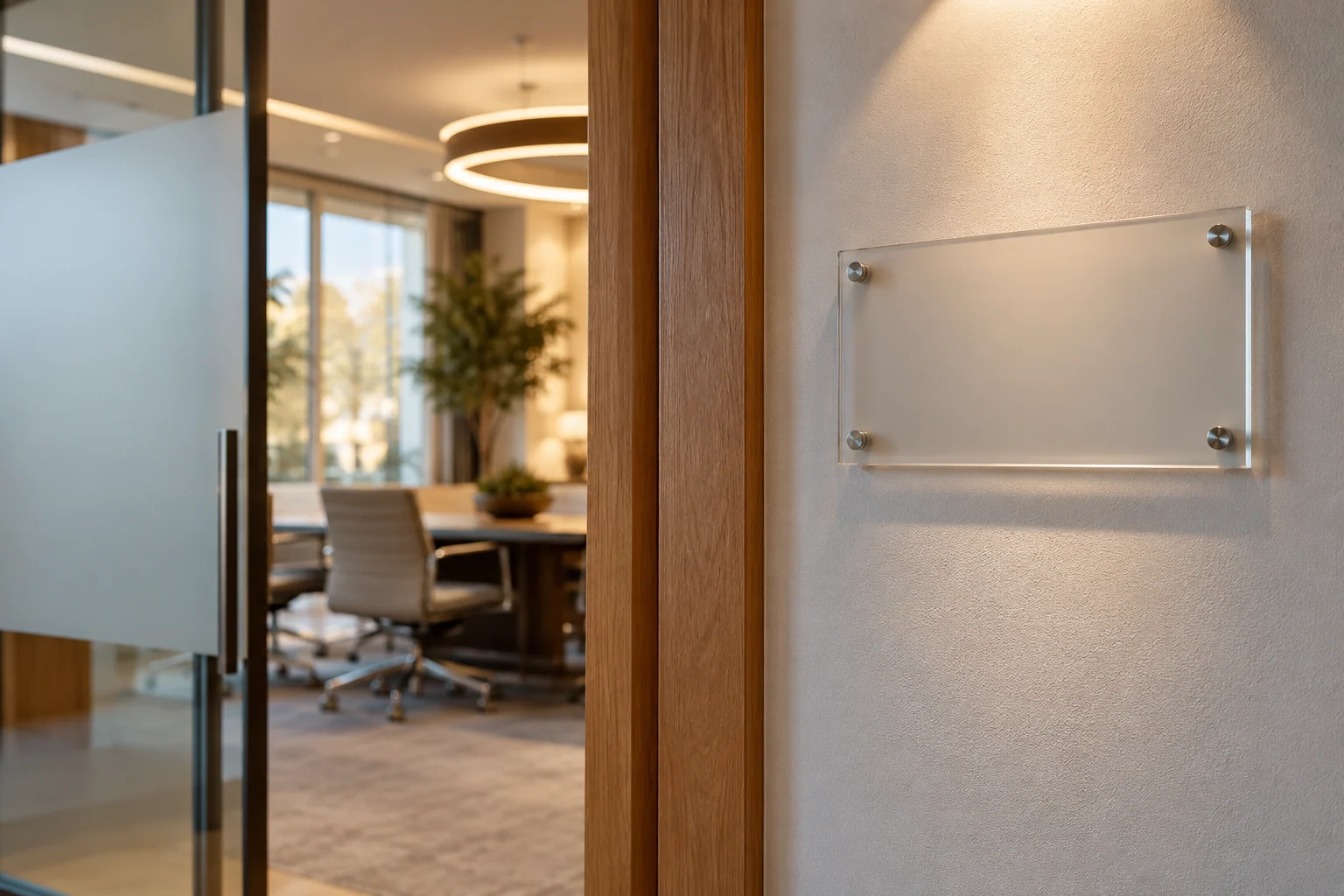
A single piece of signage can define a storefront or guide a customer through a complex office layout. However, the transition from a rough concept to a finished product often involves more variables than a busy business owner initially anticipates. Success begins not with the order itself, but with the context provided to the specialist.
Refining an Ambitious Vision
It is common for a project to expand once the creative possibilities are laid out. For example, if you begin by looking for a simple vinyl decal for a front window, you might find yourself drawn to a custom-illuminated monument sign or a multi-layered dimensional logo. This shift from a modest request to an ambitious installation changes the nature of the project entirely.
While a larger, more complex sign offers higher visibility, it also introduces different considerations regarding placement and permanence. You must weigh the desire for a high-impact visual statement against the practicalities of your specific location. A sign that looks stunning in a digital mockup may interact differently with the natural light or the architectural lines of your building than originally intended.
The Power of Visual Context
Providing a sign maker with more than just a logo can save significant time. When you reach out, include the specific purpose of the sign: is it meant to attract passing traffic, provide wayfinding for pedestrians, or reinforce a brand inside a lobby? Knowing the intended audience helps the provider suggest materials that suit the environment.
If you have existing photographs of the installation site, share them. Seeing the texture of the wall, the height of the mounting surface, and the surrounding obstructions allows for a much more accurate assessment. If you are working from a brand guide, providing those specific colors and files ensures the physical product aligns with your established identity.
Asking the Necessary Questions
As your project moves from an idea to a formal quote, the focus should shift toward feasibility and logistics. Rather than assuming a design is ready for production, use the consultation to test the boundaries of your plan. Ask the provider how the proposed design and materials address the specific environmental conditions of your site.
Because signage often interacts with local space and building structures, you should also inquire about the administrative side of the installation. Ask the provider which approvals might be necessary for your specific type of sign and who would be responsible for arranging them. Confirming these details early prevents delays once the fabrication process has begun.
Ultimately, the most effective way to manage an expanding project is to bridge the gap between your creative goals and the physical reality of your business location. By providing clear photos, defining your audience, and asking about the required approvals, you turn a complex inquiry into a manageable professional partnership.


