Choosing a destination for a family reunion or a corporate retreat often begins with a digital search. A website might showcase sweeping views of a park or the polished interior of a dining hall, but these images rarely capture the granular details that determine whether an outing succeeds or fails. For a busy household or a business owner, the time spent navigating vague descriptions can lead to logistical friction once the group actually arrives.
The Limitations of Digital Summaries
A venue's online presence serves as an invitation, but it is not a substitute for a direct conversation. Many sites use broad language to describe their facilities, which can lead to misunderstandings regarding the physical reality of a space. A description might mention "easy access" or "spacious seating," yet these terms lack a standardized definition. What one manager considers spacious, a group of twenty people might find cramped.
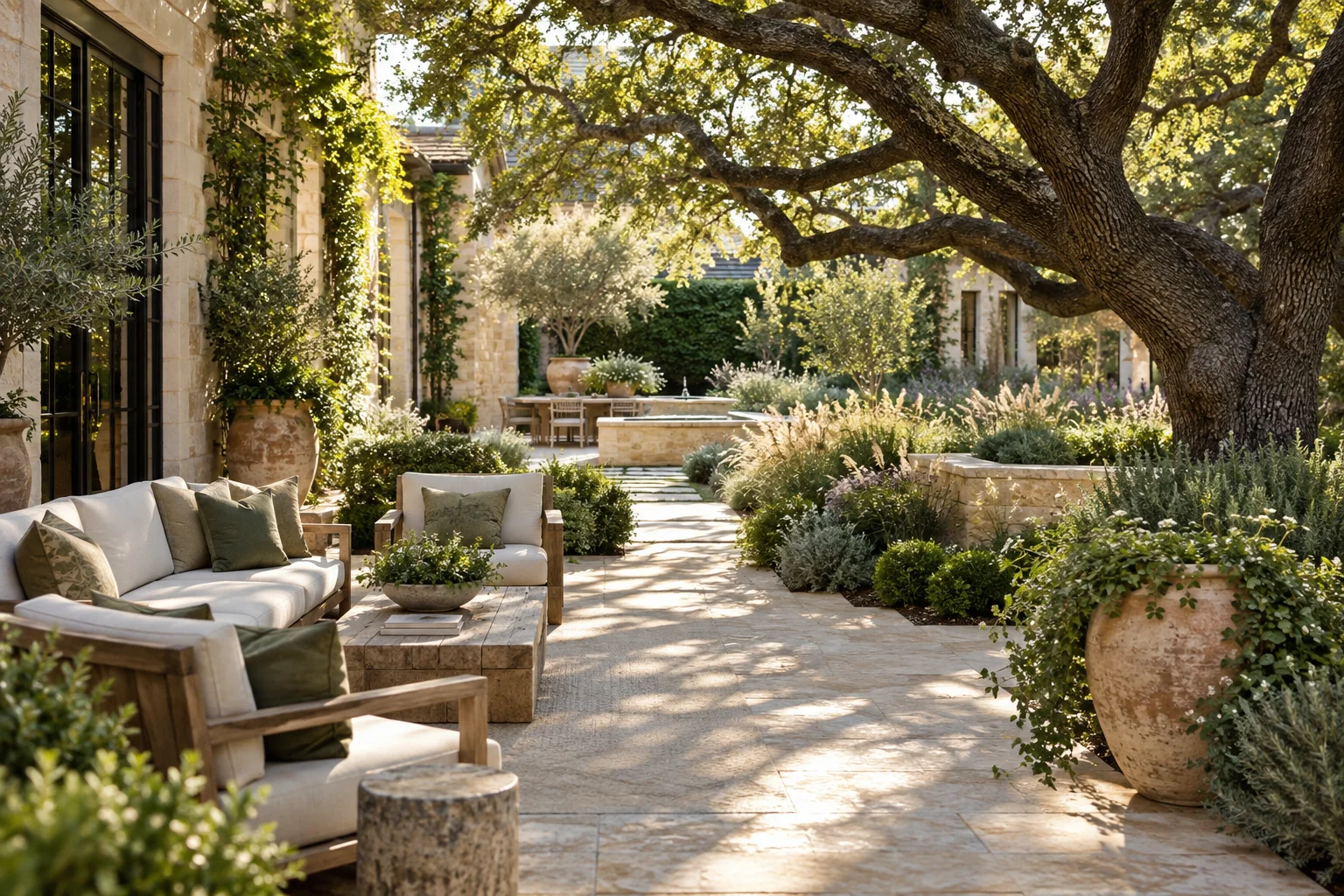
For example, if you are coordinating a luncheon for a team that includes individuals with varying mobility needs, a photo of a beautiful patio does not tell you if the path to that patio is paved, sloped, or gravel. Relying on a general sense of accessibility can result in a situation where half the group is separated from the others by a single step or a narrow doorway. These small physical details are often omitted from marketing materials because they do not contribute to the aesthetic appeal of the venue.
Balancing Convenience and Specificity
The primary tradeoff in remote planning is between the speed of booking and the certainty of the experience. Selecting a venue based on a quick glance at a gallery is fast, but it carries the risk of unexpected obstacles. Conversely, spending time verifying every detail requires more effort upfront, yet it protects the schedule of the event itself. For a business owner, an unexpected logistical hurdle can disrupt a professional agenda; for a household, it can dampen a celebratory mood.
Imagine you are organizing a weekend outing at a local nature preserve. You see photos of a scenic overlook and assume it is a viable destination for your entire group. However, if you have not asked about the specific terrain, you might arrive to find that the path to that overlook is steep and unpaved. The time saved during the booking phase is lost when the group must pivot to a different location mid-trip, causing frustration and wasted travel time.
Direct Questions for Venue Managers
To bridge the gap between a website's promises and the actual environment, prepare a specific list of inquiries. Instead of asking if a place is "accessible," ask the manager how they accommodate specific requirements. Ask which entrances are level with the parking area and whether there are any stairs required to reach the primary gathering spaces. If you are planning a meal, ask how the layout of the room accommodates large groups and if certain tables are positioned near exits or restrooms.
For business outings, ask about the availability of quiet areas or specific technical setups if your agenda requires them. For family trips, ask about the proximity of facilities to the main activity areas. By shifting the focus from general impressions to specific observations, you ensure that the destination matches the needs of your participants. The most successful outings are those where the logistics have been confirmed through direct inquiry before the first person leaves their home.