Deciding where to eat often feels like a secondary job. For a busy household or a business owner trying to squeeze a lunch meeting into a tight schedule, the pressure to find the perfect spot can lead to a series of micro-decisions that ultimately drain time and energy. The most efficient approach is to center the outing around one main destination, treating any additional stops as a luxury rather than a requirement.
The Weight of the Familiar versus the New
When planning, you often face a choice between the known and the unknown. The familiar option offers a sense of security; you know the atmosphere, the menu, and the expected timing. However, the unfamiliar option carries the potential for a new discovery. The tradeoff here is between the certainty of a predictable experience and the variable outcome of an experiment.
For example, if you are hosting a client, choosing a restaurant you have visited a dozen times ensures you understand the pace of service and the noise levels. If you choose a new venue instead, you might find a remarkable dish, but you also risk encountering a service delay or a menu that does not align with your guest's preferences. The goal is to ensure the primary destination is robust enough to stand entirely on its own.
Verifying the Details
A single-destination plan only works if the destination is actually available. Relying on old digital information can lead to a frustrating arrival only to find a closed door or a changed menu. Before committing your time or your team's schedule, confirm the current status of the venue directly. A quick phone call or a visit to the establishment's official website can clarify details that third-party apps might miss.
Ask the venue if there are any changes to their current service hours or if they require specific arrangements for your group size. If you are planning a business lunch, ask how they handle reservations for specific times to ensure your window of availability is respected. Verifying these specifics removes the guesswork that often derails a busy afternoon.
Building in Optionality
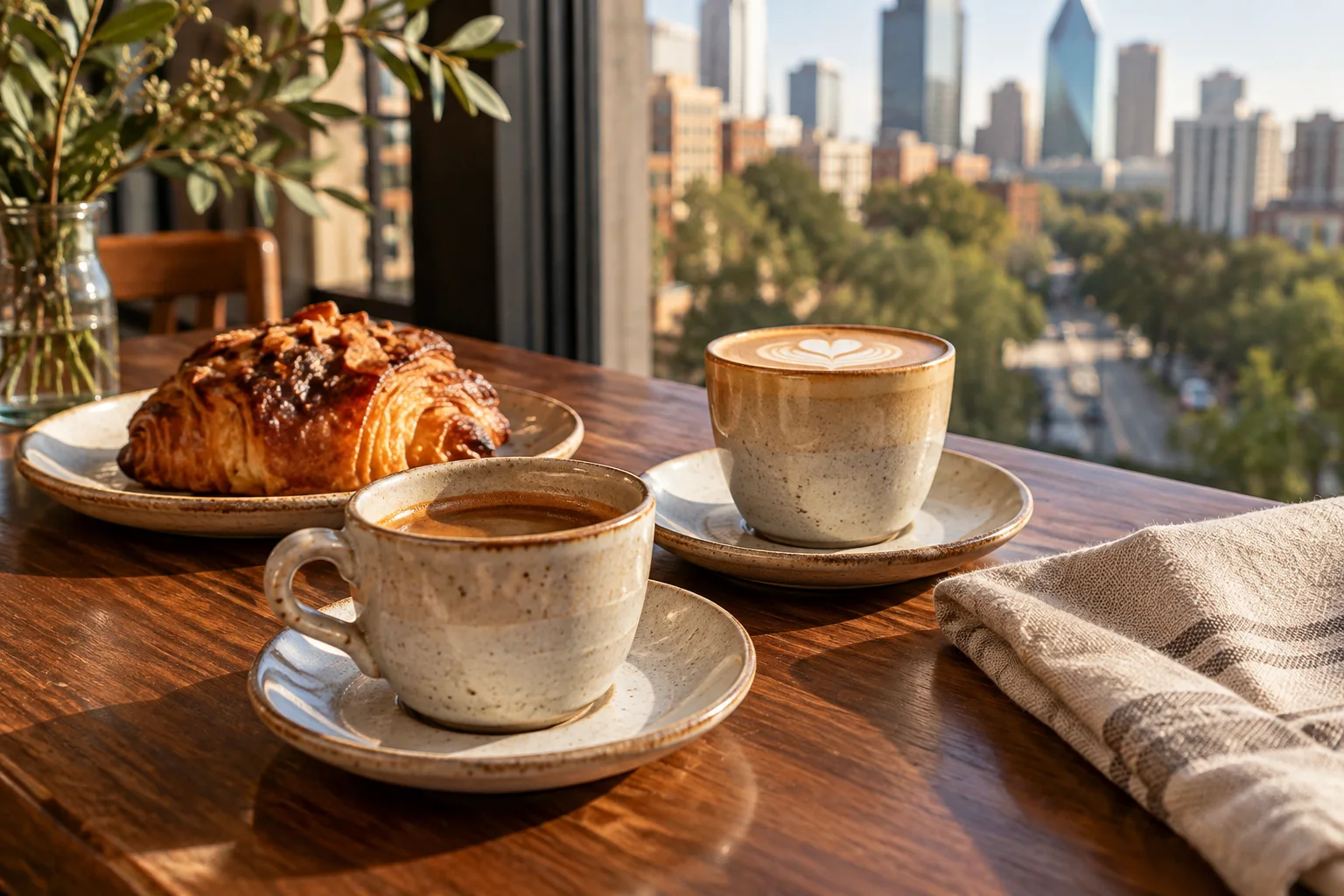
The most successful outings leave room for spontaneity without making it a necessity. Once the main meal is secured, you might consider a nearby cafe or a park for a post-meal stroll. This second stop should be entirely optional. If the main meal runs long or the conversation becomes particularly engaging, the ability to skip the second location without feeling like the plan has "failed" is vital.
By prioritizing the primary venue and confirming its details in advance, you protect your schedule from the volatility of the unknown. Focus your energy on selecting a main destination that meets your specific needs for the occasion, and let any subsequent stops be a matter of chance rather than a logistical burden.