The heavy lifting of hosting often happens in the kitchen, leaving the host tethered to the stove while guests settle into the rhythm of the evening. When the goal is a shared meal where the host actually participates in the dining experience, the traditional model of a singular, labor-intensive menu can become a barrier to connection.
Balancing the Menu and the Workload
A common pitfall is choosing a menu that demands constant attention during the meal. If every dish requires precise timing or last-minute assembly, the host remains an observer of the party rather than a participant. Instead, consider the tradeoff between culinary complexity and presence. A menu composed of components that can be prepared in advance allows the host to step away from the kitchen once the guests arrive.
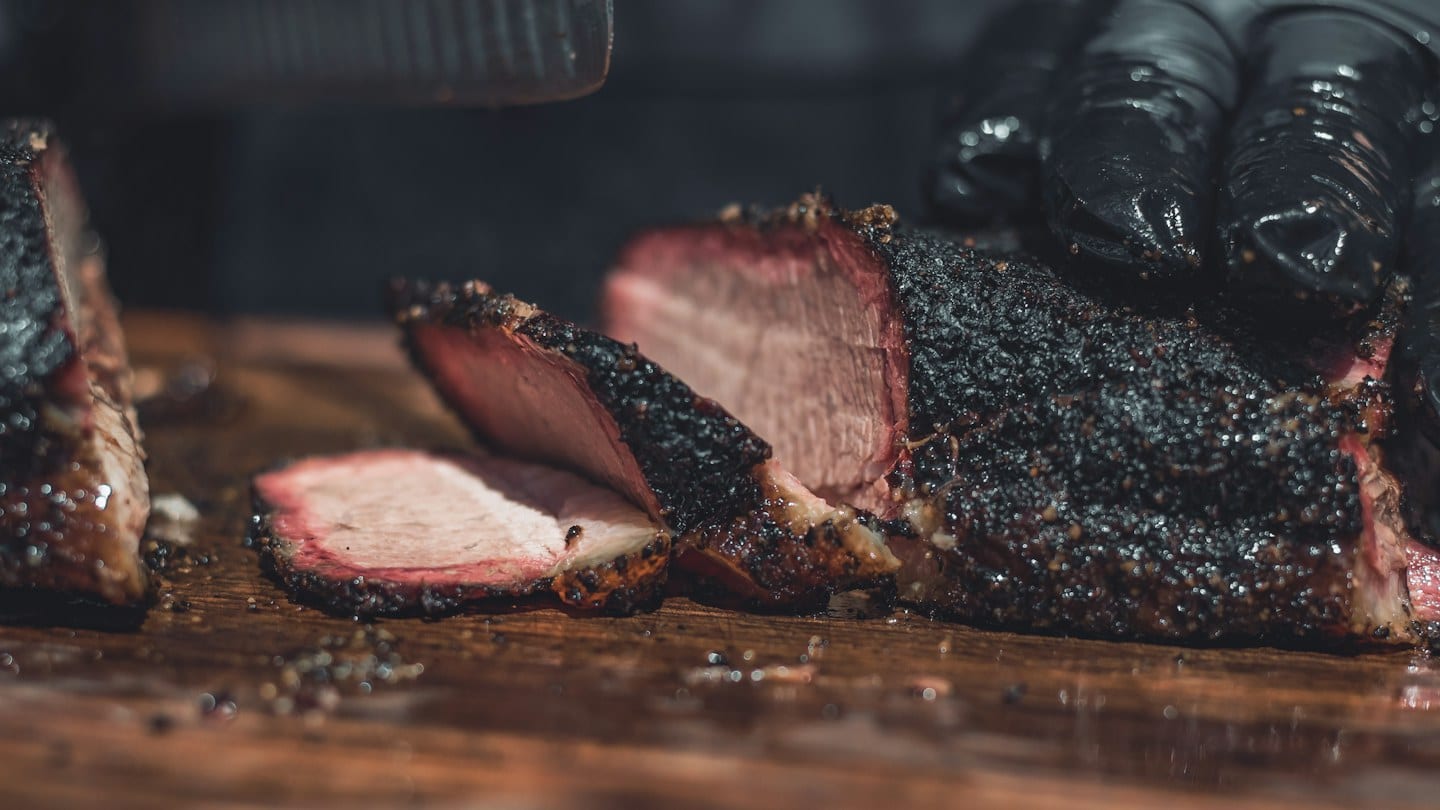
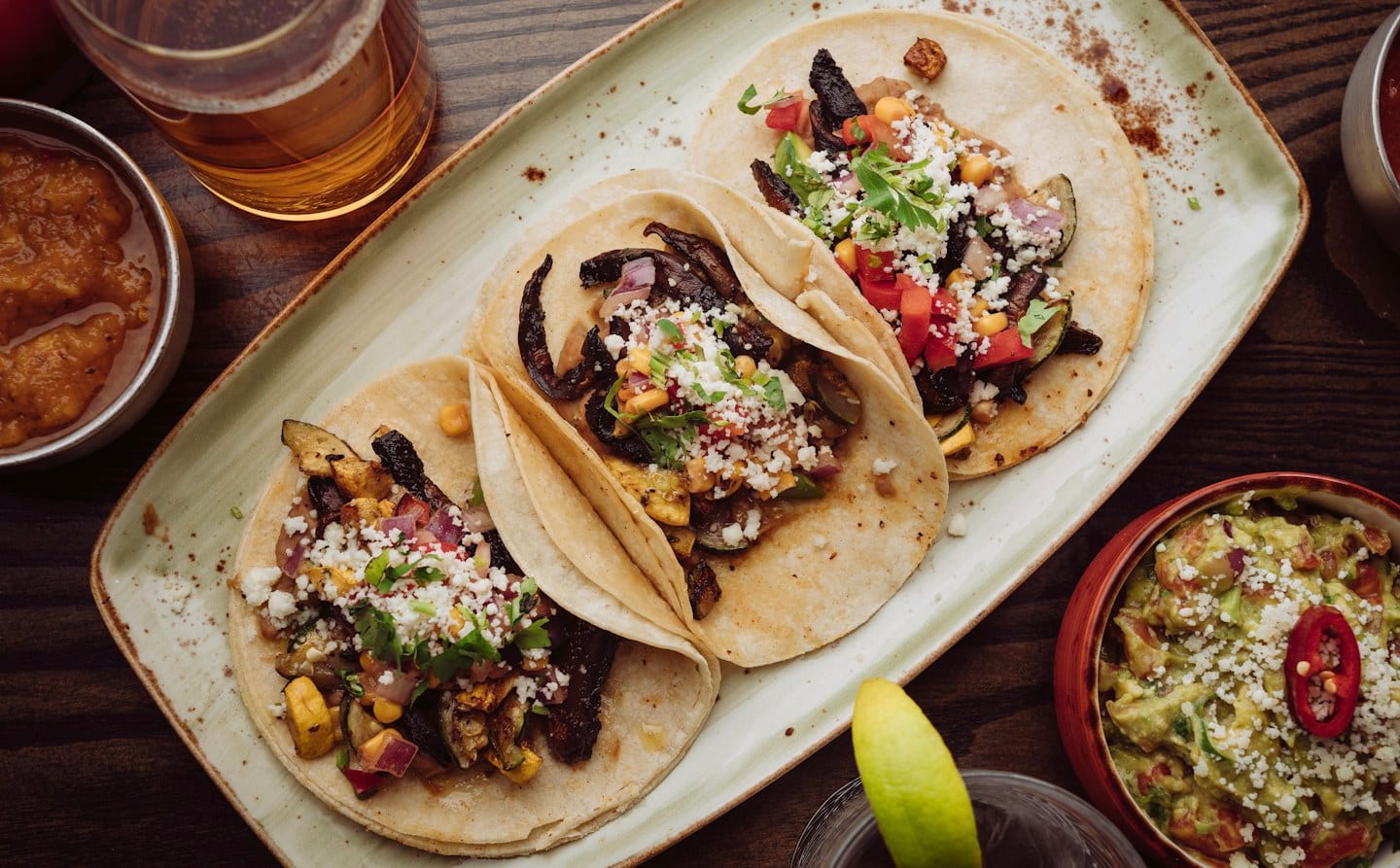
For example, if you are hosting a group of six, you might choose between a multi-course meal where you sear proteins individually at the table, or a spread of roasted vegetables, grains, and slow-cooked meats that can be plated all at once. The former offers a sense of theater but keeps you busy; the latter facilitates a relaxed atmosphere where the food is ready when the conversation is flowing.
Coordinating Contributions
For many households, the easiest way to manage a larger gathering is to invite guests to contribute. However, a lack of coordination can lead to an unbalanced table. To avoid a situation where three people bring bread and no one brings a salad, establish clear expectations before the event. Rather than asking guests to "bring something," suggest specific categories or items that complement what you are already preparing.
Ask your guests what they intend to bring and how those items fit into your planned sequence. This ensures that the meal feels like a cohesive event rather than a collection of disjointed snacks. By defining the roles of each contributor, you turn a chaotic potluck into a structured shared meal.
Separating Preparation from Service
The final hurdle is the transition from the preparation phase to the serving phase. Even with a coordinated menu, the logistics of clearing plates and replenishing drinks can pull a host back into a service role. To maintain the flow of the evening, decide in advance how the food will be presented. Will it be a formal seated service, or a more casual arrangement where guests help themselves to platters placed in the center of the table?
If you are unsure how to manage the logistics of a specific service style, ask your guests if they have preferences regarding the arrangement. Deciding whether to serve from the kitchen or to set up a station in the dining area can be the difference between a host who is constantly walking back and forth and a host who stays seated. Once you have settled on the menu, the contributions, and the service style, you can focus on the primary purpose of the gathering: the company.